

The Law Traveled Faster Than The Freedom Did
Some time in this country, still learning. Today I'm holding Juneteenth with care — and with gratitude for the community, the sister writers, the families.

Personal post today, just because :)
Juneteenth marks the distance between freedom declared and freedom received. June 19, 1865; two and a half years after the Emancipation Proclamation, enslaved people in Galveston, Texas were finally told what was already, legally, theirs. The law had traveled, but their life hadn’t yet.
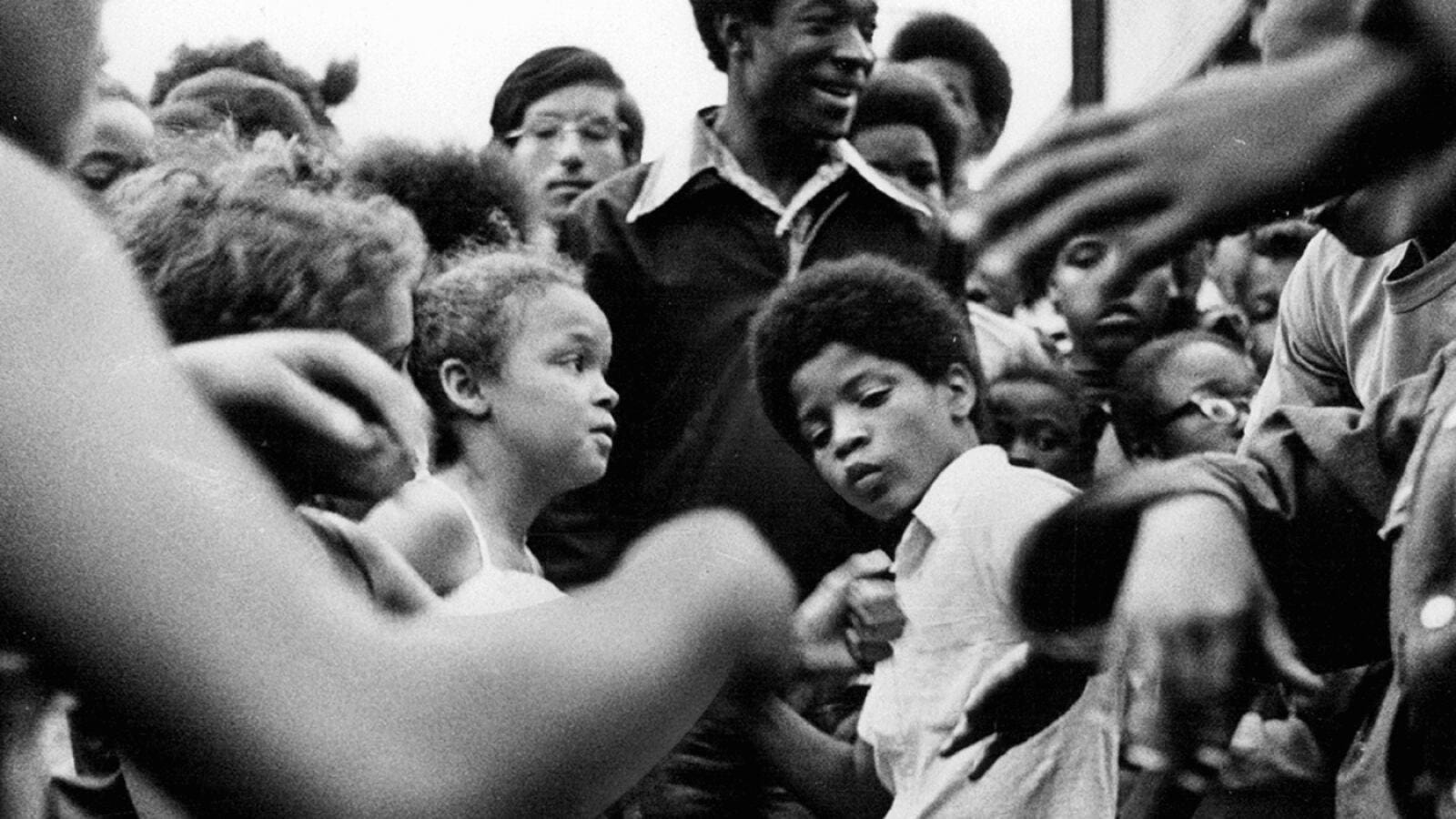
That gap is the thing I keep returning to. Not the declaration, but the distance. Not the moment of liberation on paper, but the long, uneven journey of liberation reaching the body — the actual life, the actual person, the actual morning you wake up and the world has rearranged itself around your freedom rather than against it. African American literature taught me to sit inside that gap without flinching
To understand that freedom is rarely a single moment —
it’s a direction, a practice, a refusal to stop moving toward something even when the official sentence says you should already be there. Toni Morrison, Audre Lorde, James Baldwin, writers who understood that the distance between declared and received can span generations, can live in the body long after the law has moved on.
I think about Juneteenth as a meditation on patience that shouldn’t have been necessary. On the cruelty of a freedom that travels slowly, selectively, that reaches some people years — or lifetimes — after it was supposed to. And on the insistence of a people who kept moving toward it anyway, who built a literature, a music, a culture, an entire interior life inside that waiting, and refused to let the waiting be the whole story. I thank you.
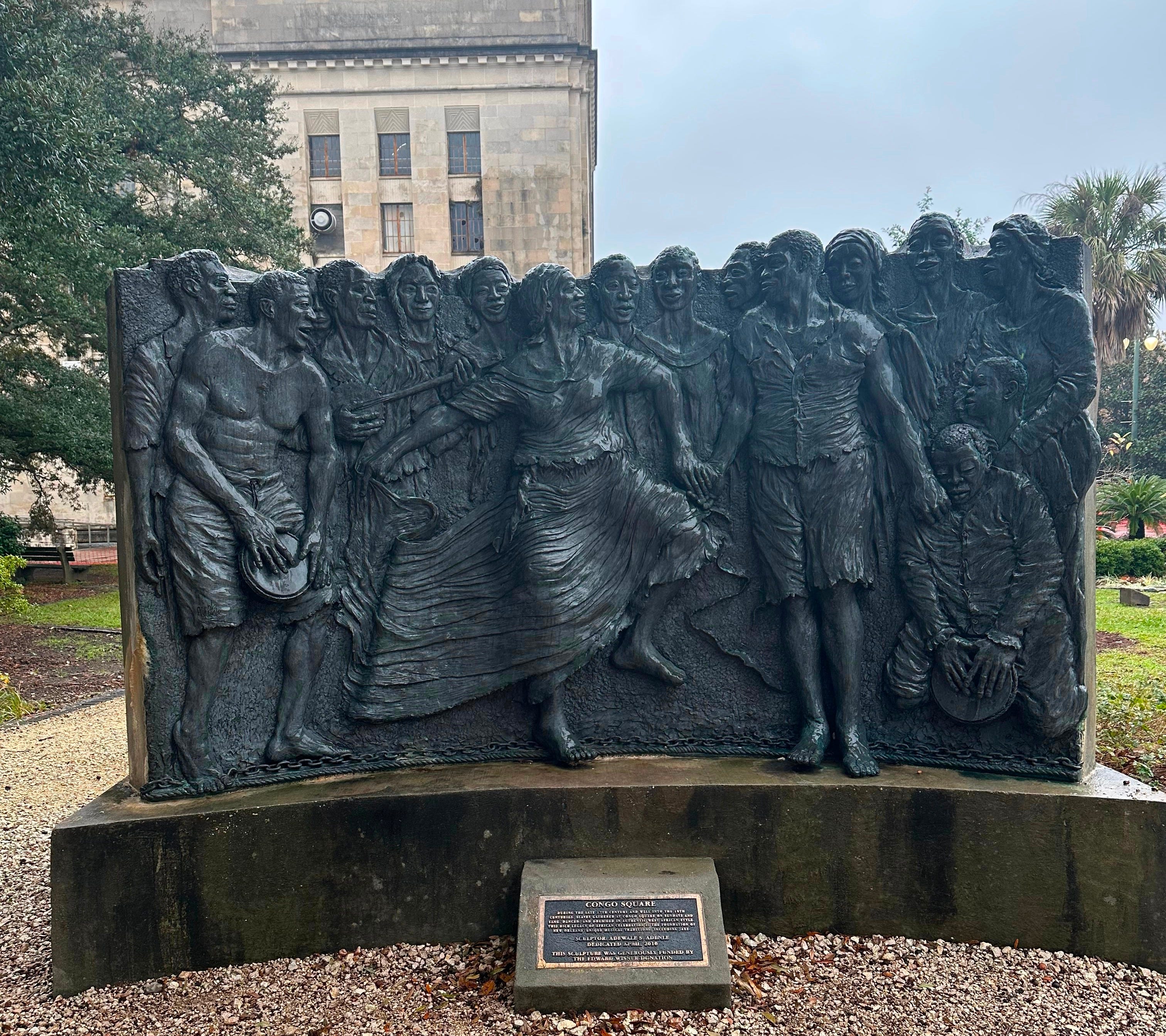
My relationship with the American South began long before I ever set foot in it. It came through the literature first, beloved; through the soil, the grief, the defiant beauty of a place that had been asked to hold more than any place should. When I finally visited New Orleans in Lousiana and the city of Jackson, in Mississippi, most recently something made sense, and a part of me always knew it would. First because the South resembled in many ways the South of Italy, where I grew up but also because of the people; Black people, people of African descent, whose presence in those landscapes carried a familiarity that crossed oceans.
A recognition that had nothing to do with geography and everything to do with lineage, with the particular way Black life asserts itself, finds its joy, builds its culture, even inside the places that tried hardest to contain it.
I have been living in the United States for two years now. I am still learning — about this country’s history, its contradictions, the weight of what it carries and the beauty of what it has built despite that weight. Juneteenth is one of the days that reminds me how much there is still to understand, and how much this country continues to teach me about what freedom actually costs, and what it looks like when people refuse to stop reaching for it anyway.
I also want to use this day to express deep gratitude to the African American academic and writing community that has welcomed me, supported my work, and made space for me since I arrived here. The scholars, the sister writers, the professors mentors who shared their tables, their syllabi, their time — who didn’t ask me to earn belonging before they offered it.


To my women, especially — the friends who became family, and the families of friends who opened their homes. To Kimberly’s family in North Carolina, who showed me what Southern hospitality and Black family life look like when they’re lived from the inside rather than observed from a distance.


And to my mentors Dr. Anderson, Dr. Ghani, Dr. Graham, Dr. Brooks, and Dr. Deb Willis — Philadelphia born, one of the most important living voices on Black visual culture and the image of Black life — whose encounter with my work opened something in me that I am still tracing.
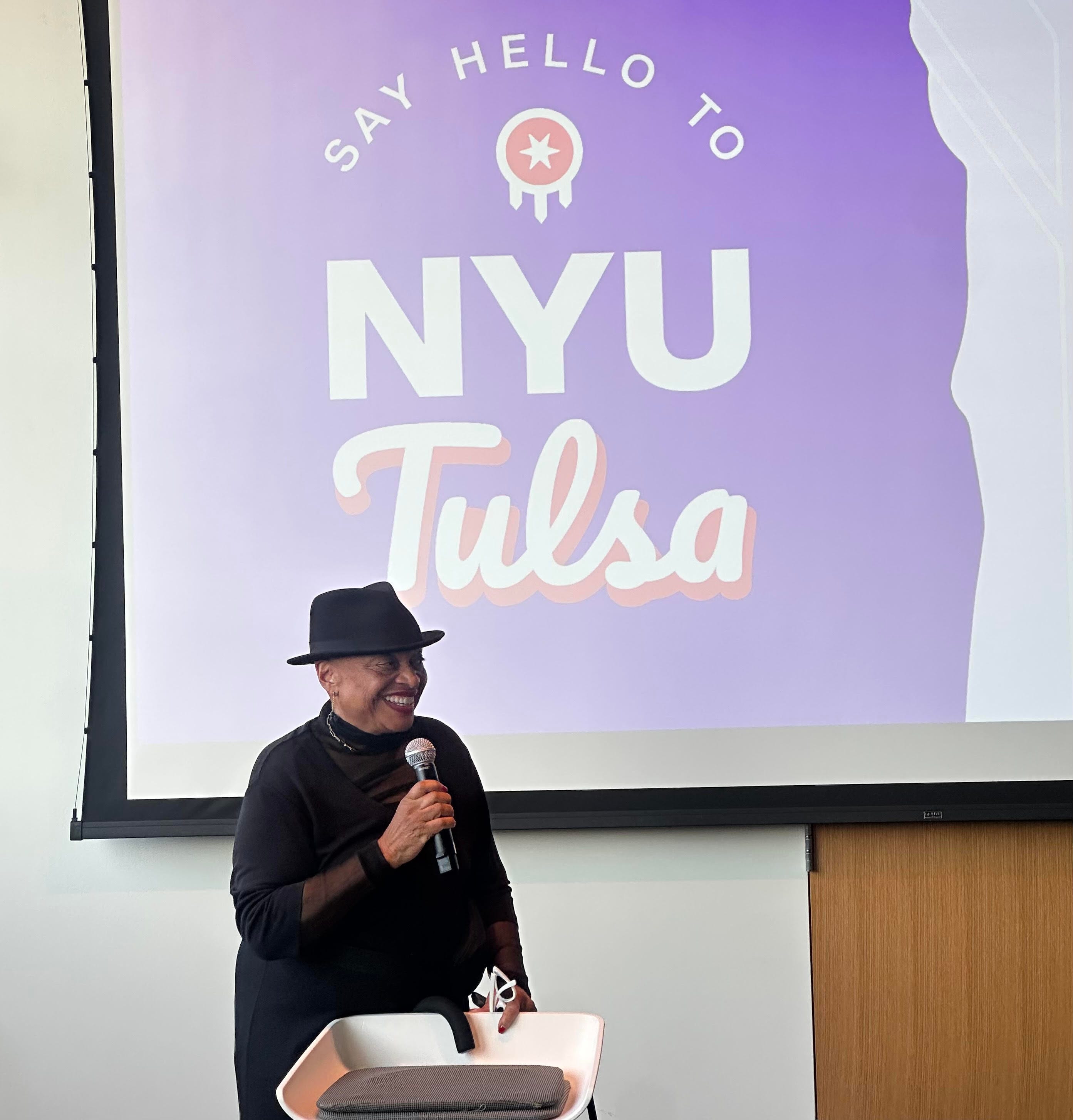
That generosity, from all of them, is its own form of what Juneteenth points toward:
freedom that doesn’t make you wait for it
I don’t take it lightly, and I don’t take it for granted. Today I’m holding that history with care, and with gratitude — for the tradition, for the writers who handed it down, for the South that showed me something about belonging I didn’t know I was looking for, for the community that received me here, and for everything this place continues to teach me.
To my favorite country in the world, the country who saw me, before I could see myself; Black America,
What a beautiful and intentional piece. It offers such an contemplative reflection on freedom as an embodied experience. Love this! Wishing you all the best!